Winds are born from large-scale global atmospheric phenomena, but they also take advantage of very local circumstances.
The sea, the terrain, or the lack thereof play a major role in triggering certain local winds known as breezes.
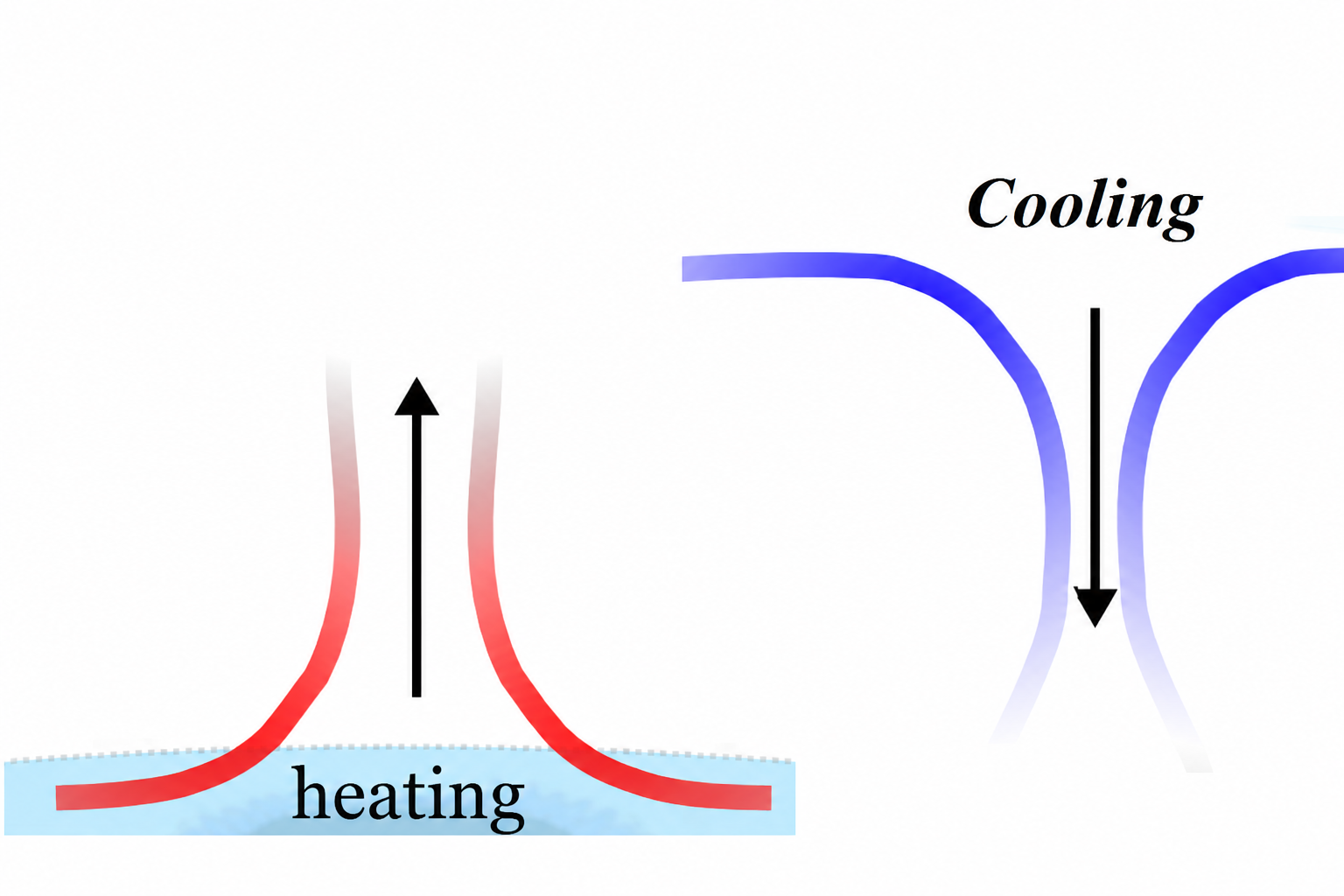
Breezes are local winds that arise from upward air movements where warm air rises. As it cools, this air begins an opposing movement and descends.
This is the principle of atmospheric convection.

In coastal areas, during fair weather, temperature differences between seawater and land create air movements known as sea and land breezes.
Long before it gave its name to a Bastia bar famous for its unsavory, gun-toting clientele, the term "sea breeze" has always referred to a local wind blowing from the sea toward the land in the afternoon.
The sea breeze is born from the gradual warming of the Earth's surface under the sun, which occurs more rapidly than the warming of the sea's surface.
The air above the land heats up and rises, creating a suction effect diverted by the coastal terrain: this is the sea breeze. The heated air cools as it rises and then descends, creating a loop—a complete convective cycle.
The sea breeze sets in during the early afternoon; it takes time for solar radiation to heat the Earth's surface in the area!
Coming from just offshore, it takes on a direction that will eventually become parallel to the shore by early evening.
As it strengthens, cloud cover may form, marking the breeze front: the active zone of atmospheric convection.
The sea breeze can strengthen to reach Force 6 on the Beaufort scale.
Once night falls, and still during calm weather, the land cools down faster than the sea, and the phenomenon reverses. The air over the land becomes colder than the air over the sea, and after a period of calm, the land breeze begins to blow from the shore.
The land breeze rarely extends more than 3 nautical miles offshore and will cease in the early morning when the land begins to heat up.
The alternation of these breezes explains why the wind rarely dies down for long on the coast!
Always during high-pressure weather, the ground heats up and creates conditions for atmospheric convection. Warm air rises, creating a suction effect that becomes more powerful as the terrain gets higher.
This is the thermal breeze effect, which is as regular as clockwork and draws windsurfers and kitesurfers to the beaches of Lake Garda, for example.

The height of the terrain significantly accentuates the effects of this phenomenon; in the mountains, these are known as anabatic winds when caused by the heating of the mountainside.
The powerful katabatic winds mentioned by sailors, such as those encountered in Arctic or Antarctic anchorages, are born from the opposite phenomenon.
At night, cold mountain walls cool down faster than the valleys. As the temperature drops with altitude, it creates the conditions for a cold wind to emerge, descending toward the valleys.
Far from being limited to high latitudes, katabatic winds are well known here. The Mistral is an excellent example; it cools down as it passes over the Alpine ridges due to the mechanism of rapid nocturnal cooling of the mountain walls.
In coastal areas, terrain is obviously capable of significantly accentuating the effects of a land breeze in anchorages located in the path of mountains or steep hills.
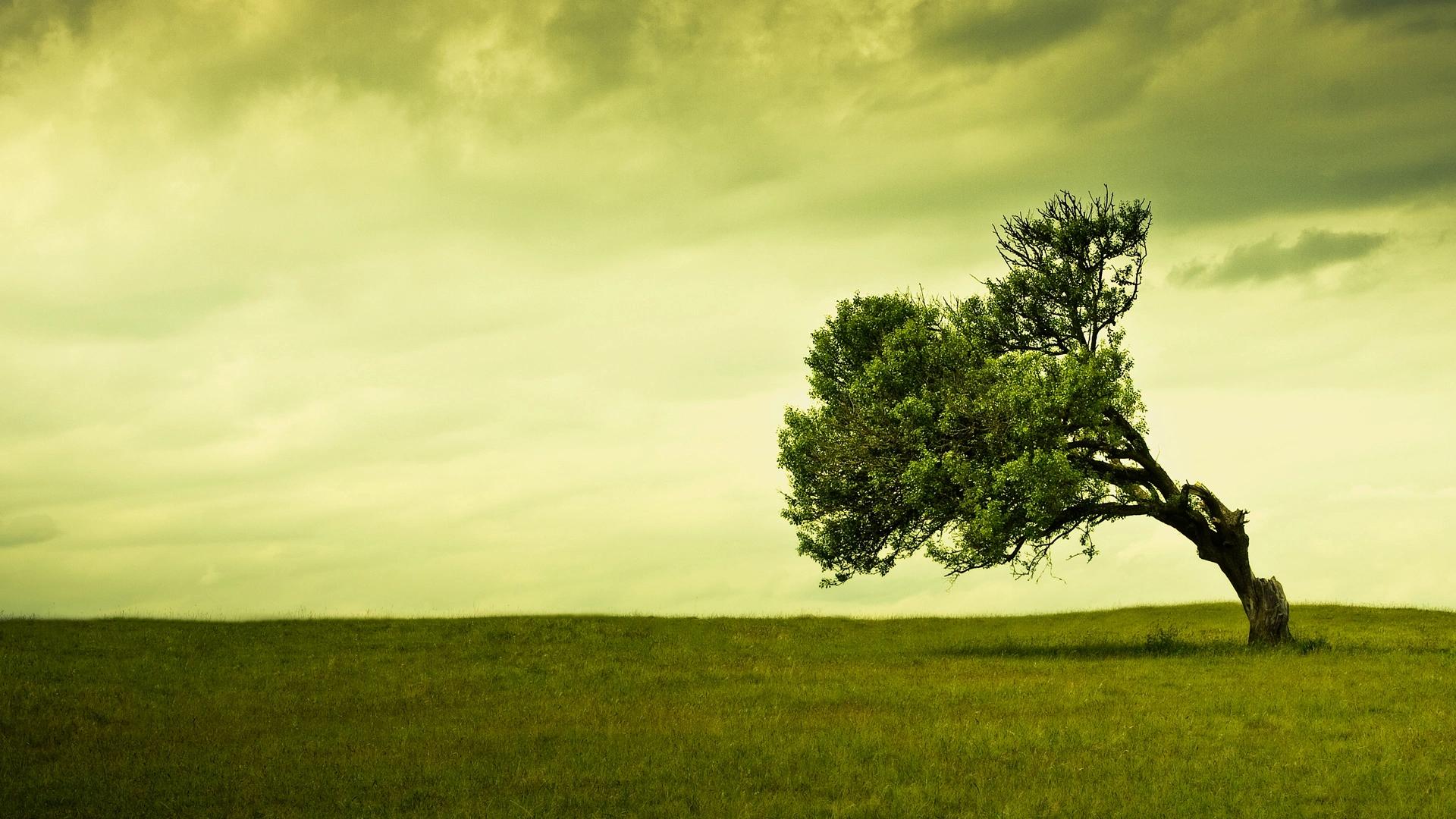
But another phenomenon comes into play to limit wind speed: vegetation.
In a forest, you feel very little wind at ground level. Recent studies on this subject have shown that the presence of forests, scrubland, or significant vegetation can slow wind speed by nearly 15% compared to that recorded on bare ground.
