
.webp)
Electrostatic repulsion uses the force that acts between two electrical charges of the same sign. Like the identical poles of magnets that repel each other.
Coatings that will use this property will use conducting materials whose surface electrical charge will generate an electrostatic field that is likely to oppose that of certain fuel components.
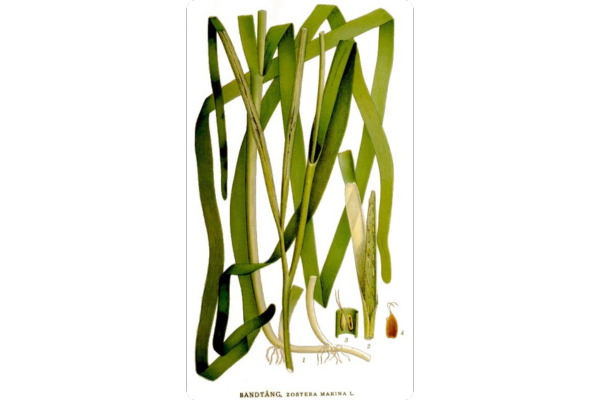
Second interesting area, the Danish company Cysbio is working on a product using the properties of fermenting kelp!
Once fermented, kelp produces zosteric acid, a natural biocidal component with no impact on the environment.
The production of chemical compounds by enzymatic fermentation makes it possible to produce the biocide in an energy-efficient manner compared to industrial chemistry techniques.
The fermentation of bread is a comparable enzymatic reaction.
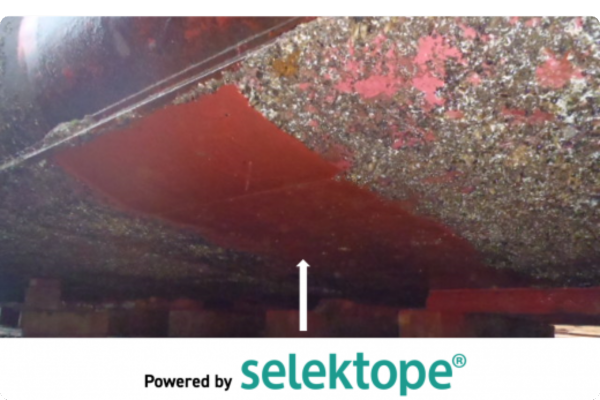
The antifouling market affects maritime transport for amounts that whet the appetites of major groups in the chemical and pharmaceutical industries. Thus Selektope (the trade name for Medetomidine), developed by the pharmaceutical giant Astra Zeneca. Skelektope stimulates a receptor that triggers a kind of hyperactivity crisis in the micro mollusc... You are not dreaming, the mollusc starts to swim in a disorderly manner, as if it were under the influence of a powerful narcotic...
When swimming in all directions, microorganisms no longer stick to the shell.
Only molluscs are repelled; algae are insensitive to them. Astra Zeneca claims that Selektope is completely harmless to the marine environment, let's hope so!
.webp)
Biomimicry is taking inspiration from the ingenious engineering of nature to transpose it into a product.
Several biomimetic approaches have been the subject of research to develop antifouling.
A team of researchers is working on a coating whose surface mimics, on a microscopic scale, that of the scales that make up shark skin, giving it a unique glide that opposes the formation of biofilm.
Other teams are working on coatings that incorporate naturally biocidal compounds. This is the case with furanones, a natural compound that certain plants or algae secrete and which limit bacterial proliferation.
Paints or coatings, integrating this compound, are under study.
Coatings of the type developed by Finsulate but which will incorporate an active ingredient.
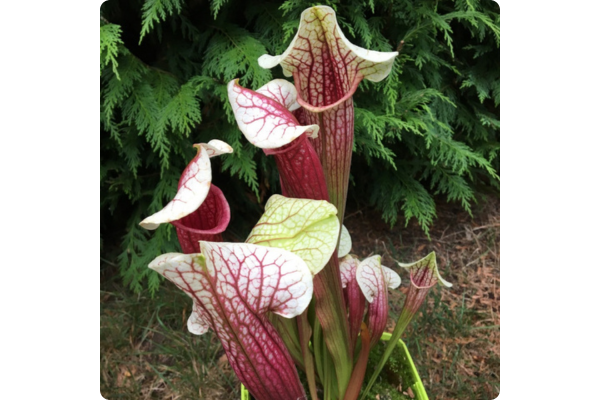
The latest biomimetic approach imitates a famous carnivorous plant, Sarracenia!
When it rains, a film forms on the surface of its leaves to push the unfortunate insects into the monster's mouth! A harmless monster that secretes a hydrogel to promote gliding. It is the action of this lubricant that interests researchers.
